
You’ll need a police check for most jobs involving children, vulnerable people, or government positions, and your employer must obtain your written consent before starting any background screening. The process typically requires four forms of ID, including a passport or birth certificate plus a driver’s license, and you’ll submit these through an accredited ACIC provider. Spent convictions over ten years old usually won’t appear, though child-related roles require full disclosure. Visa holders also need VEVO verification to confirm work rights. Once you understand these requirements, you can move through applications with confidence and avoid unnecessary delays. What specific steps should you take next to keep your job search on track?
TLDR
- Police checks are typically required for roles involving children, vulnerable people, or government positions.
- Employers must obtain written consent and disclose how your information will be used before checking.
- Common checks include criminal history, visa status via VEVO, and financial security screening.
- You need four linked ID documents including passport or birth certificate plus photo verification.
- Spent convictions over ten years old generally don’t appear, except for child-related or security roles.
Will Your Job Require a Police Check? (How to Know)

How can you tell if you’ll need a police check for your next job application? You’ll likely need one if you’re serving vulnerable people in aged care or NDIS roles, working with children, or applying for government positions. Check the job advertisement carefully, as employers must disclose this requirement upfront. If you’re shortlisted, they’ll request a check with a specific purpose stated. In Victoria, employers processing fewer than 500 checks in three years can handle these through police services or an accredited CrimTac broker. Always obtain written permission from referees before sharing their details to comply with privacy laws.
What Employers Legally Must Do Before Any Background Check
Before you hand over any personal details to a potential employer, you deserve to know exactly what you’re getting into, don’t you?
Employers must clearly disclose when background checks are required, explain who’ll collect your information, and detail what they’ll gather and how they’ll use it.
They need your informed, written consent before proceeding, especially for sensitive data like criminal records or health information.
5 Background Checks Explained: Criminal, Visa, Qualification, Credit, and Security

When you’re applying for jobs in Australia, you’ll encounter several types of background checks that employers use to verify your suitability, including criminal history screenings that reveal your court record, visa status verification that confirms your right to work, and financial security checks that assess your responsibility with money.
You might wonder why employers need such detailed information about your past, but these checks protect both you and the company by ensuring everyone meets the legal and ethical standards required for the role.
Understanding exactly what each check examines helps you prepare accurate documentation and address any potential concerns before they become obstacles in your job search.
Before attending interviews, research the company and confirm logistics so you can present relevant documentation and explanations, such as employment gaps and reasons for leaving previous jobs.
Criminal History Checks
Why should you care about criminal history checks when applying for jobs in Australia? Over 90% of employers use these checks, called NCHCC or police checks, to assess your suitability by reviewing convictions, pending cases, and charges. You’re evaluated fairly—employers must weigh your offence’s nature, your age at the time, and your attitude, ensuring you aren’t automatically excluded from roles where you can genuinely serve others.
Visa Status Verification
Beyond your record, employers need to know you’re legally allowed to work in Australia, which is where visa status verification steps into the image.
You’ll provide your name, date of birth, and passport number through VEVO, a free government service that confirms your visa validity and work conditions.
Employers must check your status before hiring and periodically afterward, keeping certified copies of your documents to avoid serious penalties.
Financial Security Screening
How exactly does an employer know you’re someone they can trust with money, sensitive data, or serious responsibilities? Financial security screening helps them find out, combining your credit history and civil litigation records with social media checks that verify your public information.
You’ll go through accredited providers who streamline this with digital consent, ensuring you meet compliance standards while protecting your privacy throughout the process.
How to Apply for Your National Police Check (ACIC Process)
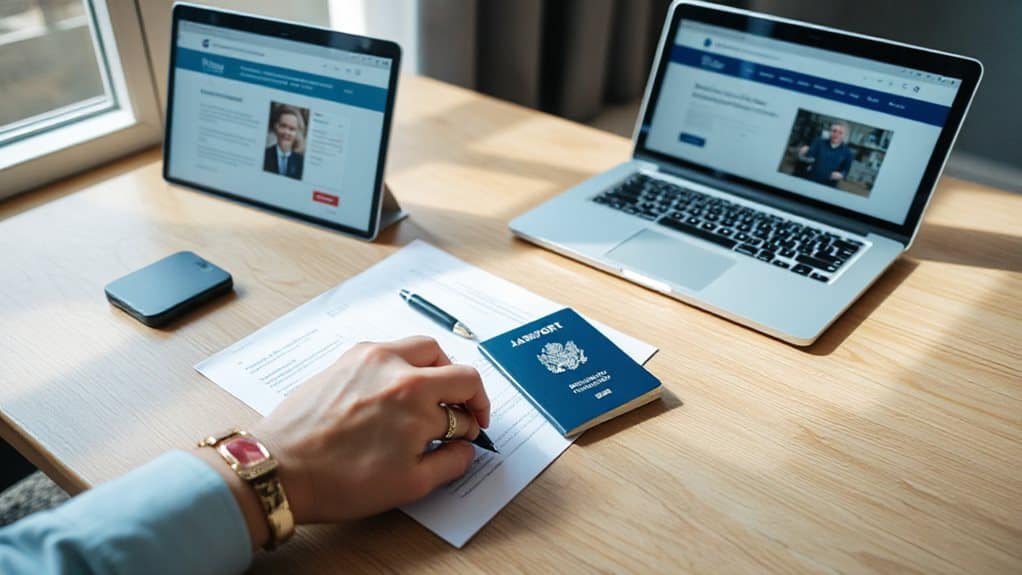
You’ll need to gather four pieces of identification that can be linked and verified by your chosen accredited body before you submit your application through the National Police Checking Service.
Once you’ve selected an accredited agency, you’ll log into their Vetting Service portal to enter your details and complete the online submission, which includes filling out relevant sections of the NZ Police Vet and Australian check Request and Consent Form if you’re applying internationally.
Are you ready to walk through exactly which identity documents you’ll need and how the verification process works?
Be sure to present a tidy and well-groomed appearance when attending any in-person identity verification to reinforce professionalism.
Online Application Steps
Where exactly do you begin when you need to apply for your National Police Check through the Australian Criminal Intelligence Commission? You start by confirming your eligibility, as you’ll need to be 14 or older with permanent residency in your state.
Do you have a smartphone and email ready? You’ll need both for verification codes and online submission, especially in Victoria and NSW.
Required Identity Documents
Once you’ve got your smartphone and email ready for the online application, the next step is gathering the right paperwork to prove who you are.
You’ll need one commencement document, like your birth certificate or passport, one primary photo ID such as your driver’s licence, and one secondary document, perhaps your Medicare card.
Don’t you want your check processed quickly? Make sure your full legal name and date of birth appear clearly on every document you submit.
Your Background Check Rights: Privacy, Consent, and Anti-Discrimination
When you’re applying for a job in Australia, you might feel a bit nervous about background checks, and that’s completely understandable, but you should know that you’ve got solid legal protections standing between you and unfair treatment. The Privacy Act 1988 requires your written consent before employers collect your personal information, especially sensitive records like criminal history, and they must use fair, lawful methods that relate directly to job requirements.
You’re protected from discrimination based on race, religion, or disability, and employers can’t misuse your data or dig into irrelevant details like unrelated credit history or your private social media posts.
Did you know they must clearly disclose check requirements in job ads and can only use your information for the original purpose? Your rights ensure you’re treated fairly while helping employers make informed, ethical decisions about your potential to serve others. Job applicants in Canberra can also seek professional advice from resume writing services to better understand how to present their employment history and address background check concerns.
Spent Convictions: When Old Records Can’t Be Used Against You

You’ve got solid protections around privacy and consent, but what happens when that old mistake from years ago still haunts your job search?
Spent convictions—those over 10 years old with low jail terms—legally vanish from most checks, so you needn’t disclose them.
You’re shielded from discrimination, though child-related or security roles demand transparency.
Know your rights, and don’t let past errors limit your future service. Employers often use reference checks to assess skills, work style, and team fit, so selecting the right referees can help mitigate concerns and highlight rehabilitation and reliability, especially when referees can speak to rehire potential.
How to Prepare ID Documents and Speed Up Your Check
Why let paperwork delays stall your career momentum when a little preparation can put you ahead of the pack? Gather your passport or birth certificate as your commencement document, pair it with your driver licence for photo verification, and add utilities bills under six months old for address proof. Scan high-quality copies, check VEVO if you’re on a visa, and you’ll serve others sooner.
What Happens If Your Police Check Shows a Criminal Record

Now that your documents are sorted and your police check is underway, you’re probably wondering what the results actually mean for your job prospects—especially if something unexpected shows up. If your record reveals convictions, employers will assess them based on your role’s requirements, particularly when you’re serving children, vulnerable people, or handling finances. Spent convictions won’t appear, giving you a fair chance to move forward.
And Finally
You’ve now got everything you need to navigate Australia’s background check process with confidence, so where do you go from here? Start by confirming which checks your specific role requires, gather your ID documents early, and remember that spent convictions and your privacy rights are there to protect you. Whether you’re applying for your first police check or dealing with a complex record, staying informed and proactive puts you in control of your employment journey.

Emma Anderson is a professional executive resume and creative writer. She founded JobFrog Resumes in 2015 after leaving full-time work to raise her first child, combining her two passions: working from home with her family, and helping people put their best selves forward on paper. Emma has personally written every JobFrog resume since — no outsourcing, no templates — and stands behind the Jobfrog Rewrite Guarantee.