
You’re stepping into Australia’s job market for the first time, so start where beginners thrive—retail, hospitality, cleaning, or delivery driving—since these roles offer on-the-job training and flexible shifts that fit around school. You’ll want to search SEEK and Indeed, but don’t skip walking into local venues or checking university notice boards, because many jobs never get advertised publicly. When you apply, turn your volunteering, school projects, and everyday responsibilities into real experience on your resume, and practice answering interview questions aloud with friends to build confidence without sounding rehearsed. Dress neatly in pressed shirts and closed-toe shoes, pack your resume and a notebook, and prepare for silence after applications—it happens to everyone, so keep going. Know your worth too: from July 2025, casual workers aged 21+ earn $31.19 per hour including loading, with rights to safety protections and leave entitlements. Wondering how to handle rejection, negotiate shifts, or maximize your chances? The complete roadmap ahead covers every step.
TLDR
- Retail, hospitality, and cleaning offer beginner-friendly entry with on-the-job training available.
- Combine SEEK and Indeed searches with walking into local venues for unadvertised roles.
- List volunteering as legitimate experience with clear titles, dates, and quantified impact.
- Practice interviews aloud with real people rather than memorising rigid scripts.
- Check payslips for casual loading; minimum wage is $31.19 hourly from July 2025.
Which Part-Time Jobs Suit First-Timers Best?

Where do you start when you’ve never held a job before? Retail offers you predictable entry with on-the-job training, while hospitality lets you serve others in cafés and restaurants with flexible shifts that fit your studies. Retail roles also help you build customer service and transferable workplace skills employers look for. Cleaning roles welcome beginners across offices and hotels, delivery driving pays well with your licence, and labouring suits you if you’re ready for active, outdoor work. For those seeking to extend their stay in Australia, completing three months of specified farm work such as fruit picking or harvesting can qualify working holiday makers for an additional year on their visa.
Where Should You Look: Online or In Person?
Although you might feel overwhelmed by all the options, finding your first part-time job becomes much easier once you understand where to look.
You should research online platforms like SEEK, Indeed, and Workforce Australia for broad searches with quick filtering, while checking university notice boards and walking into local venues for casual roles that aren’t advertised widely.
Combining both approaches gives you the best chance, doesn’t it? A useful tip is to prioritise listings that mention on-the-job training as these often target entry-level applicants and support skill-building.
Who Can Actually Get You a Job Interview?

Landing your first interview often feels like the biggest hurdle, but you don’t have to face it alone, do you?
Your personal network—friends, former colleagues, and community contacts—can open doors through trusted referrals.
You’ll also benefit from reaching out directly to hiring managers with concise, professional messages.
Recruitment agencies like Robert Half can match you to hidden opportunities, while government services and LinkedIn workshops build your readiness for that essential first meeting.
Many positions in Australia are filled without public ads, so proactively using referrals and networks can uncover unlisted roles.
Can Volunteering Count as Work Experience?
You’ve figured out how to get your foot in the door, but now you’re staring at your résumé and wondering if those weekend shifts at the food bank or hours spent helping at a local festival actually mean anything to employers.
They do, if you present them right.
List volunteer roles like paid jobs, with clear titles, dates, and duties that show skills employers need.
Your helping spirit builds real experience.
Australian employers often view volunteering as legitimate work experience, so be sure to quantify your impact where possible.
How Do You Write a First Resume With Zero Paid Work?

When you’re writing your first resume without any paid work history, you’ll want to focus heavily on transferable skills you’ve developed through school projects, extracurricular activities, and everyday responsibilities that employers actually value.
Have you considered how your volunteer experience, even if it was informal or short-term, can demonstrate reliability and teamwork just as effectively as a part-time job?
Consider volunteering in roles that mirror real jobs to build transferable skills and measurable results you can showcase.
Highlight Transferable Skills
Picture yourself walking into an interview with nothing but school projects, weekend sports, and that time you organised your cousin’s birthday party—yet you’re still ready to impress. You’ve got transferable skills, and employers want them.
Communication, teamwork, problem-solving, and adaptability matter everywhere, right? Map your experiences to these categories, then prove them with specific examples.
Where did you lead, plan, or help others succeed? Show that evidence clearly.
Include Volunteer Experience
Because you haven’t held a paid position yet, your volunteer experience becomes one of the most useful assets on your first resume, and it’s time to treat it with the seriousness it deserves.
List your organisation, role title, dates, and location just like paid work, then add bullet points with action verbs and numbers that show your real impact, don’t you agree?
Which Skills Matter Most When You’ve Never Worked Before?
If you’ve never held a job before, you might wonder what exactly employers are looking for when they scan your blank resume, and the reassuring truth is that you already possess more useful skills than you probably realise.
Communication matters enormously, so when you listen actively and speak clearly, you’re already showing employers what they need.
Teamwork from school projects or sports proves you can collaborate, doesn’t it?
Your reliability shines through when you arrive on time and follow through on commitments.
Problem-solving skills emerge when you adapt to challenges, and your planning abilities help you meet deadlines.
Digital literacy, including basic Microsoft Office knowledge, supports efficiency in modern workplaces.
These transferable skills demonstrate your readiness to serve others professionally.
What Should You Know Before Walking Into an Interview?

Before you walk into an interview, you’ll want to spend some time learning about the company and rehearsing the questions they’ll likely throw your way, since showing you understand their values and can speak confidently about your fit makes a real difference.
Research the organisation’s recent news, services, and culture so you can explain exactly why you’re drawn to them, not just any employer.
Then, grab a friend or family member to run through common questions like “Tell me about yourself” and “Why do you want this role?” until your answers feel natural and concise.
Research The Company
When you walk into an interview without knowing who you’re talking to, you’re basically flying blind—and that’s a risk you don’t need to take.
Start by exploring the company’s website, especially their mission and values, since serving others begins with understanding who you’ll serve.
Check their social media and recent news to grasp their culture and challenges.
Who are their customers, and how do they make a difference?
How does your desire to help others fit their goals?
Look up your interviewer’s background on LinkedIn to build genuine connection.
What specific skills do they value most?
Prepare thoughtful questions about team support and growth opportunities.
When you show you’ve done your homework, you demonstrate respect, initiative, and real interest in contributing to something meaningful.
Don’t you want them to see you’re already invested in their success?
Practice Common Questions
Walking into an interview room without rehearsing your responses is like stepping onto a stage without knowing your lines—you might get through it, but you won’t shine.
You need to prepare answers for “Tell me about yourself,” your strengths, weaknesses, and goals.
Practice behavioural examples using real situations from volunteering, school, or sport.
Ask smart questions about the role, training, and team culture.
How Do You Practise Answers Without Sounding Rehearsed?
Although you might worry that preparation will make you sound stiff, the real problem isn’t practising too much—it’s practising the wrong way.
Build flexible structures around key points instead of memorising scripts, rehearse aloud in varied conditions with real people, and turn your concepts into sentences on the spot.
Will you let authenticity shine through thoughtful, adaptable practice?
What Should You Wear (and Pack) for Your First Interview?
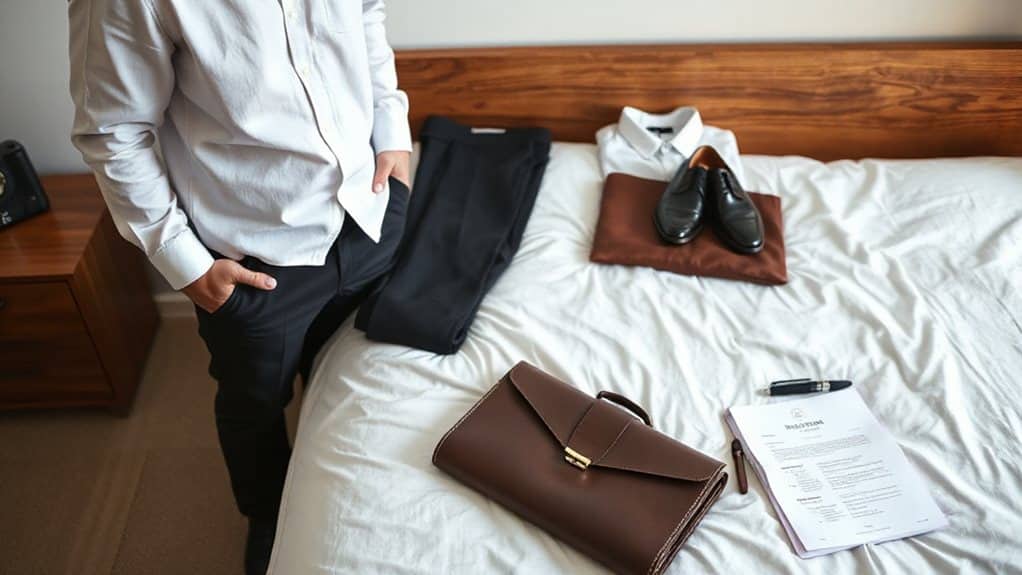
You’ve spent time shaping answers that sound natural and confident, so don’t let uncertainty about your outfit chip away at that composure before you even arrive. Aim for neat, professional clothing—think pressed shirts, dress pants or knee-length skirts, and closed-toe shoes in neutral colours.
Pack your resume, notebook, and pen.
Iron everything, check for stains, and ask HR if you’re unsure.
Which Shifts Fit Around School Without Burning You Out?
Once you’ve landed that first interview outfit, you’re probably wondering how you’ll actually fit work around classes without running yourself into the ground, right?
Morning shifts before school—like 6:00am–9:00am openings in childcare or cafés—let you earn without missing pickup.
School-hour roles, roughly 9:00am–3:00pm, offer predictable rosters that protect your evenings.
Skip split shifts early on; the commuting drains energy you need for serving others well.
What Happens If You Don’t Get the Job?

When your phone stays silent after sending out those first applications, it’s easy to think you have done something wrong or that nobody wants to hire you, but that silence is actually the most common experience for beginners in Australia.
You haven’t failed; you’re simply learning how this market works.
Rejection usually means you need to adjust your approach, not abandon your goal.
Have you considered which certifications might open doors in your chosen field, or whether your resume speaks the language local employers expect?
Every application you send builds momentum, and each follow-up call demonstrates the persistence that eventually wins trust.
Remember, your willingness to serve others remains important even when the right role hasn’t appeared yet.
Keep refining, keep reaching out, and keep believing that the match will come.
What Are First-Time Casual Workers Actually Entitled To?
When you start your first casual job in Australia, you’ll want to know exactly what you’re entitled to so you don’t get shortchanged, right?
From July 2025, if you’re 21 or older, your minimum hourly wage sits at $31.19 including the 25% casual loading, though your specific industry might’ve different rates through awards or agreements.
You’re also protected by basic work rights covering safety, anti-discrimination, and in some cases, unfair dismissal after you’ve built up regular and systematic hours.
Minimum Wage Rates
Although you might feel overwhelmed stepping into your first casual job, understanding exactly what you’re entitled to earn doesn’t have to be complicated.
From 1 July 2025, you’ll receive $24.95 hourly as a base rate, or $31.19 with casual loading, which compensates for missing leave entitlements.
Always check your payslip shows this loading, and confirm whether an award covers your role, since awards often set higher minimums.
If you’re young, disabled, or training, special rates may apply, so verify your correct classification through the Fair Work Ombudsman to ensure you’re being paid fairly for the valuable service you provide.
Basic Work Rights
Now that you’ve got a handle on what should be showing up in your pay packet, you’re probably wondering what else you’re actually entitled to as a casual worker in Australia.
You won’t get paid sick or annual leave, but you do receive unpaid carer’s and compassionate leave, plus paid family and domestic violence leave.
After 12 months of regular, systematic work, you can request flexible arrangements or even permanent conversion, and you’re protected by safety and anti-discrimination laws from day one.
And Finally
You’ve got everything you need to land that first job, from knowing where to search to understanding your rights as a casual worker. Sure, rejection stings, but it’s just part of the process, isn’t it? Keep refining your resume, showing up prepared, and balancing work with school, and you’ll find something that fits. Your first paycheck’s closer than you think—so why not start applying this week?

Emma Anderson is a professional executive resume and creative writer. She founded JobFrog Resumes in 2015 after leaving full-time work to raise her first child, combining her two passions: working from home with her family, and helping people put their best selves forward on paper. Emma has personally written every JobFrog resume since — no outsourcing, no templates — and stands behind the Jobfrog Rewrite Guarantee.