
If you work FIFO in Australia, your earnings can vary based on your skills, experience, and the industry. Salaries typically range from around AUD 92,643 for entry-level roles up to AUD 168,816 for experienced workers, with hourly wages often between AUD 58 and AUD 75. Remote and hazardous environments, along with skill shortages, often enhance pay, and additional allowances or benefits can increase your overall earnings. Keep investigating to find out how you can maximize your FIFO income and what to expect from these roles.
TLDR
- FIFO salaries in Australia average around AUD 113,282 annually, with entry-level roles starting near AUD 92,643.
- Skilled and hazardous roles, especially in mining, can earn up to AUD 168,816 or higher.
- Wages are influenced by remote work conditions, skill shortages, industry demand, and roster arrangements.
- Hourly rates in mining range from AUD 58 to AUD 65, with long shifts and extended rosters.
- Benefits like employer-paid travel, accommodation, meals, and on-site amenities enhance overall earnings.
What Is FIFO Work and How Does It Work?
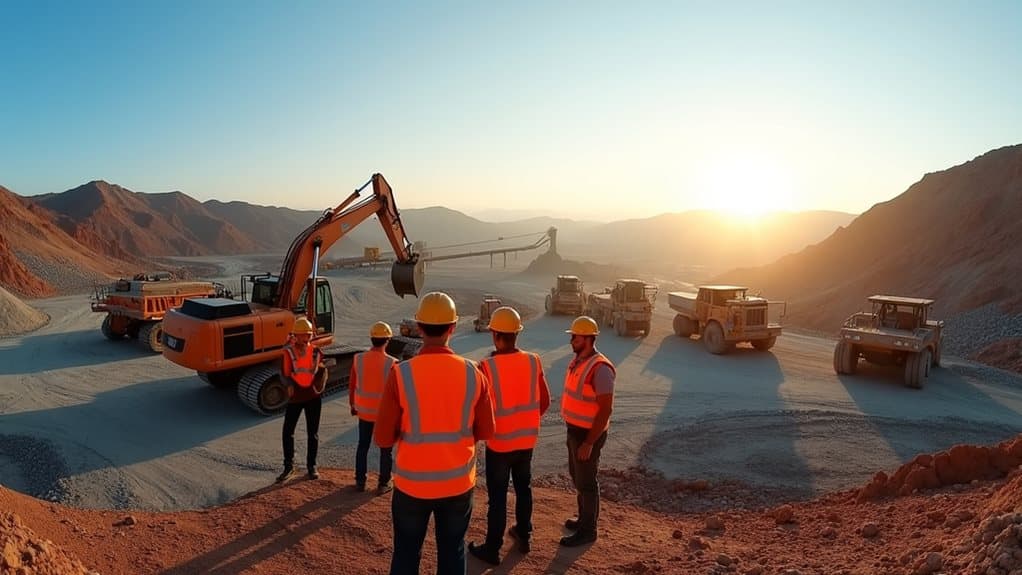
If you’re considering work in industries like mining, oil, or gas, you might’ve heard of FIFO, or Fly-In-Fly-Out, work. FIFO work involves flying to remote sites, like mine sites, for scheduled shifts that often last two weeks or more.
During this time, you stay on-site, receiving employer-provided accommodation and meals, before flying back home for rest periods. Many FIFO roles offer competitive pay and benefits, with annual salaries in Australia often ranging from AUD 50,000–AUD 75,000 depending on location and experience.
How Much Do FIFO Workers Earn in Australia?
In 2024, FIFO workers in Australia tend to earn quite competitive salaries, reflecting the demanding nature of their work and remote locations. The average FIFO salary is around $113,282 annually, with entry-level roles starting at $92,643, and experienced workers earning up to $168,816.
Most mining salary rates range between $58 to $65 per hour, making FIFO work lucrative. Employers often seek candidates with continued professional development and relevant certifications, which can influence pay and job prospects ongoing professional development.
What Factors Influence FIFO Salary Packages?

Several key factors influence the FIFO salary, shaping how much you can earn while serving others. Remote work and the dangerous environment often justify higher pay.
While skill shortages in specialized roles drive up wages. Longer rosters, remote work allowances, and industry revenue from commodities also impact your earnings, encouraging you to develop skills that meet these high-demand needs. Many impactful roles do not require advanced degrees and can be entered through on-the-job training or short certifications.
What Are Typical Roster and Working Hours?
Understanding the typical roster and working hours for FIFO workers helps you prepare for the demanding schedules you might face.
FIFO workers usually work 10 to 12-hour shifts during their on-site roster periods, often with a 2 weeks on, 1 or 2 weeks off schedule.
Long hours, sometimes up to 84 per week, require resilience but offer extended rest periods.
Interview cues like detailed timelines and post-interview next steps can indicate clear planning and expectations.
What Perks and Benefits Come With FIFO Jobs?
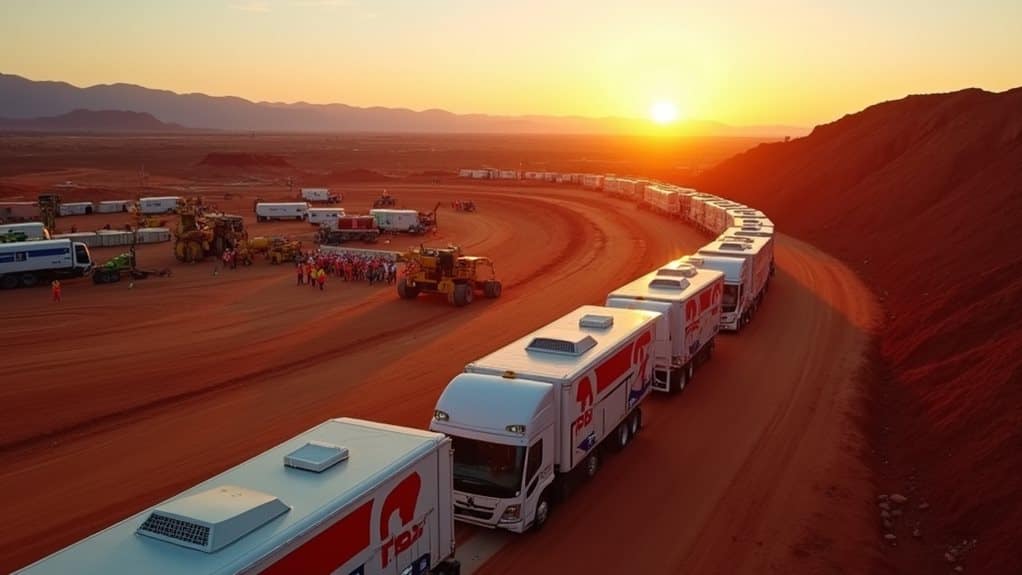
When working FIFO jobs, you often benefit from employer-paid flights, which means your travel costs are covered when moving to remote sites.
Accommodation and meals are typically provided on-site, saving you money and removing the hassle of finding housing during your rotations.
Additionally, access to on-site amenities like gyms and entertainment options can improve your overall well-being and make your time away more comfortable.
Many FIFO employers also offer additional benefits such as industry-recognised training and certifications to support career progression and professional development.
Accommodation and Meals Provided
Many FIFO jobs come with a range of perks that make the position more appealing and manageable, especially if you’re working in remote areas. Accommodation is often provided in camp-style housing or shared dormitories, sometimes with private rooms.
Meals are usually supplied at no extra cost, which helps reduce living expenses and allows you to focus on serving others efficiently.
Paid Flights and Travel
Paid flights and travel are among the key perks that make FIFO jobs particularly attractive, especially for those working in remote or hard-to-reach locations.
With employer-paid flights from major hubs like Perth or Brisbane, you save on travel costs.
Some roles also include travel allowances, making your expedition smoother and more affordable, allowing you to focus on serving others effectively.
Access to On-Site Amenities
Access to on-site amenities is one of the significant benefits of FIFO jobs, providing you with a comfortable and convenient living environment during your work shifts.
As a FIFO worker, you can enjoy on-site amenities like gyms, recreation areas, and swimming pools.
Accommodations often include private or shared rooms, meals, and wellness services, all designed to support your well-being during your time away.
How Can You Maximize Your Earnings and Prepare for FIFO Roles?

To maximize your earnings and prepare effectively for FIFO roles, you should focus on enhancing your certifications, such as Heavy Machinery Tickets and safety training, which can open doors to higher-paying positions.
Additionally, optimizing your work schedule by choosing companies that offer trainee or greenie programs allows you to gain precious experience quickly and increase your earning potential.
Have you considered how developing specialized skills in high-demand areas, like excavator or haul truck operation, can further elevate your career prospects?
Enhance Relevant Certifications
Enhancing your certifications is one of the most effective ways to increase your earning potential and prepare for FIFO roles, especially if you’re dedicated to serving others through your work.
Certifications like Heavy Vehicle Tickets, High-Risk Work Licenses, and the S11 Mining Induction enhance skill development, opening avenues for career progression and higher wages in the mining and construction industries.
Optimize Work Scheduling
Optimizing your work schedule is vital if you want to maximize your earnings and effectively prepare for FIFO roles.
By choosing rosters like 2 weeks on, 2 weeks off, or 7 days on, 7 days off, you can increase allowances and overtime opportunities.
Scheduling shifts during peak periods helps enhance income, while understanding FIFO rotations guarantees you balance rest, earnings, and fatigue management.
And Finally
By understanding how FIFO salaries work and what factors influence your earnings, you can better plan your career and financial goals. With careful preparation, knowledge of rosters, and awareness of benefits, you can maximize your income and guarantee a successful FIFO experience. Stay informed about industry trends and continually improve your skills. Are you ready to take the next step toward a rewarding FIFO career that offers stability, good pay, and beneficial benefits?

Emma Anderson is a professional executive resume and creative writer. She founded JobFrog Resumes in 2015 after leaving full-time work to raise her first child, combining her two passions: working from home with her family, and helping people put their best selves forward on paper. Emma has personally written every JobFrog resume since — no outsourcing, no templates — and stands behind the Jobfrog Rewrite Guarantee.