
To write a resume for Australia’s energy sector, you’ll need to open with a concise 3–4 line professional summary that captures your relevant experience and technical skills, then showcase quantifiable achievements using specific metrics like percentage improvements in energy efficiency, cost reductions, and project completion rates. Include industry-specific keywords such as grid integration, battery storage, and decarbonisation to pass applicant tracking systems, and prominently list recognized certifications like Clean Energy Council accreditations, LEED AP, or ISO 14001 Lead Auditor to validate your proficiency in this rapidly evolving field where $9 billion in project commitments are creating exceptional opportunities. The strategies ahead will show you exactly how to position yourself for these roles.
TLDR
- Include a 3–4 line professional summary highlighting energy experience, technical skills, and quantifiable achievements to capture attention immediately.
- Incorporate industry-specific keywords like grid integration, decarbonisation, battery storage, and renewable technologies to pass ATS screening effectively.
- Quantify achievements with measurable results: percentage efficiency improvements, cost savings, megawatt capacity delivered, and project completion rates.
- List relevant certifications prominently: Clean Energy Council accreditations, LEED AP, CEM, safety credentials, and sector-specific qualifications.
- Align project experience with national targets, referencing contributions to the 82% renewable energy goal and large-scale infrastructure investments.
Understanding the Current Energy Sector Landscape in Australia
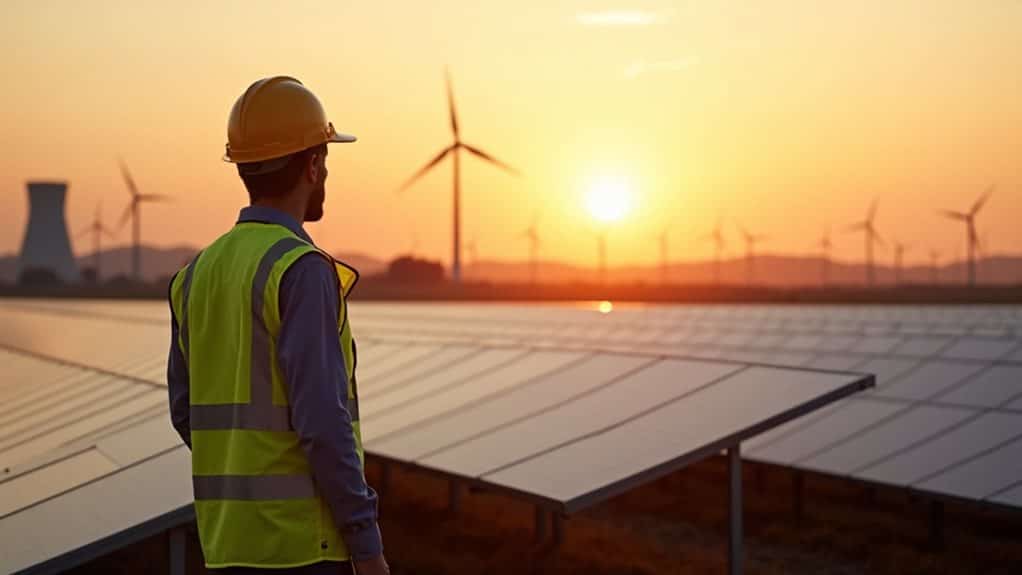
As you prepare your resume for the Australian energy sector, you’ll need to understand that the industry is experiencing one of its most revolutionary periods in history, driven by ambitious government policies and unparalleled private investment.
The Labor government’s commitment to achieving 82% renewable energy by 2030, combined with record $9 billion in project commitments during 2024, has created exceptional career opportunities across solar, wind, and battery storage sectors. The Capacity Investment Scheme has expanded from 32 GW to 40 GW, with 23 GW allocated to renewable generation and 14 GW to clean dispatchable power, signaling substantial infrastructure development ahead. Companies are also increasingly focusing on upskilling and reskilling to prepare workforces for the automation and AI-driven changes in the sector.
Essential Components of an Energy Sector Resume
Your energy sector resume needs two critical elements that will immediately capture a hiring manager’s attention: a compelling professional summary that showcases your qualifications, and a strong emphasis on quantifiable achievements paired with relevant certifications.
The professional summary, spanning just 3-4 lines at the top of your resume, must incorporate industry-specific keywords like energy modeling, carbon accounting, or grid integration while clearly demonstrating the measurable impact you’ve delivered in previous roles.
When you combine this focused summary with hard data that proves your value—such as percentage improvements in energy efficiency or successful project completions—and pair it with recognized certifications like LEED AP, ISO 14001 Lead Auditor, or CEM, you’ll create a powerful first impression that positions you as a qualified candidate who understands the technical demands and regulatory landscape of Australia’s evolving energy sector. Including targeted industry keywords throughout your resume also helps it pass automated screenings and reach a human reviewer.
Remember to optimize your resume for Applicant Tracking Systems by incorporating relevant industry keywords naturally throughout your document, while ensuring the formatting remains clean and readable for human reviewers who will ultimately assess your application.
Professional Summary and Qualifications
When you’re crafting a resume for the Australian energy sector, your professional summary serves as the critical first impression that determines whether hiring managers will continue reading or move on to the next candidate.
This concise section should highlight your relevant experience in energy roles, technical skills like energy efficiency legislation and project management, and qualifications such as engineering degrees or Clean Energy Council accreditations that match your target position.
Quantifiable Achievements and Certifications
Once you’ve captured attention with a persuasive professional summary, the next step involves backing up your claims with concrete evidence that proves your value to potential employers.
You’ll need to showcase quantifiable achievements like energy savings percentages, cost reductions, and efficiency improvements, while prominently listing relevant certifications such as Investment Grade Energy Auditor (IGEA), Energy Management Professional (EMP), or Energy Efficiency Council credentials to demonstrate your technical competence and industry credibility.
Crafting a Compelling Professional Summary for Energy Roles

Your professional summary serves as the gateway to your energy sector resume, and it must immediately showcase your technical capabilities, quantifiable accomplishments, and alignment with Australia’s sustainability goals.
When crafting this critical section, you’ll need to strategically balance demonstrating your proficiency in specific energy technologies—whether that’s photovoltaic systems, electrical infrastructure, or fossil fuel operations—with concrete evidence of how your work has delivered measurable results like efficiency gains, cost reductions, or successful project completions.
Additionally, your summary should reflect your commitment to Australia’s energy shift and net-zero targets, positioning you as a professional who understands both the technical demands of the role and the broader industry shift toward renewable energy and decarbonization.
Consider including targeted skill development goals and SMART objectives that demonstrate a plan for continued professional growth and alignment with industry trends.
Highlight Technical Energy Skills
Your professional summary serves as the gateway to your energy sector resume, and it’s where you need to immediately demonstrate your technical capabilities to hiring managers who are scanning dozens of applications.
Focus on showcasing your electrical engineering proficiency, control systems proficiency, and experience with renewable technologies like solar, wind, and battery storage systems.
Include specific programming languages you’ve mastered, such as Python or R, and mention relevant industry software like GIS for environmental assessments.
Quantify Project Achievements
While technical skills open the door to interviews in Australia’s energy sector, the numbers and measurable results you’ve achieved are what convince hiring managers you can deliver real value to their organization.
Convert vague responsibilities into persuasive achievements by including specific dollar amounts saved, percentage improvements in efficiency, project completion rates, emissions reductions, and the scope of budgets you’ve managed, creating concrete evidence of your capabilities.
Emphasize Sustainability Commitment
Demonstrating authentic commitment to sustainability in your professional summary immediately signals to Australian energy sector employers that you understand the industry’s fundamental metamorphosis and can contribute meaningfully to their renewable shift goals.
Reference Australia’s net zero by 2050 target, the 82% renewable electricity objective for 2030, and your dedication to supporting large-scale renewable projects, battery energy storage systems, and clean energy investments driving the nation’s energy transformation forward.
Showcasing Technical Skills and Industry Certifications

When you’re applying for positions in Australia’s rapidly changing energy sector, technical certifications and specialized skills serve as your most powerful credentials, directly proving to employers that you possess the practical knowledge and industry-recognized qualifications they’re actively seeking.
Highlight certifications like Solar Accreditation Australia accreditation, Certificate II in Gateway to the Energy Sector, or Graduate Certificates in Renewable Energy, and emphasize specialized competencies including battery storage systems, microgrid technologies, and renewable integration operations to stand out.
Optimising your LinkedIn profile with relevant keywords and a compelling summary can increase your visibility to recruiters and industry professionals, helping showcase those qualifications and connect you with relevant opportunities through professional networking.
Highlighting Relevant Project Experience and Measurable Achievements
When crafting your resume for Australia’s booming energy sector, where $12.7 billion in clean energy investment was recorded in 2024 alone, you need to demonstrate your direct impact on projects through specific, measurable achievements that align with industry growth areas.
Rather than simply listing job duties, you should quantify your contributions by showing how you helped deliver renewable projects, improved energy efficiency metrics, or contributed to the 97 renewable energy projects currently under construction across the nation.
Quantify Energy Project Outcomes
Your resume needs to showcase project outcomes with concrete numbers that reflect the scale and impact of Australia’s rapidly expanding energy sector, where renewable energy now generates 40 percent of the nation’s total electricity and construction activity has surged to hundreds of millions of dollars across multiple states.
Include specific metrics like construction values completed, megawatt capacity delivered, or workforce size managed to demonstrate your contributions to renewable installations, transmission upgrades, or battery storage deployments.
Showcase Sector-Specific Contributions
Highlight your contributions to Australia’s renewable energy shift by anchoring each achievement to the sector’s most significant growth areas, whether that’s the $9 billion invested in large-scale generation projects during 2024, the surge in rooftop solar installations exceeding 300,000 systems for the fifth consecutive year, or the $3.7 billion committed to energy storage development.
Connect your specific role to these industry milestones, demonstrating how your work advanced renewable capacity, improved grid integration, or supported the pathway toward the government’s 82% renewable electricity target.
Tailoring Your Resume for Mining Industry Positions

Because the mining industry operates under strict regulatory structures and demanding operational conditions, you’ll need to craft a resume that immediately demonstrates your technical competency, safety consciousness, and proven track record in resource extraction environments.
Start by prominently displaying your White Card certification, Standard 11 Induction completion, and MSHA protocol familiarity with current registration numbers and validity dates, ensuring compliance officers can quickly verify your qualifications.
Adapting Your Resume for Renewable Energy Opportunities
As Australia accelerates toward its renewable energy targets and clean energy projects expand across regional and metropolitan areas, positioning yourself for opportunities in this rapidly growing sector requires a strategic approach that showcases both your technical capabilities and your commitment to the energy shift.
Your resume should emphasize hands-on experience with solar, wind, or battery storage systems, highlighting specific project scales like MW capacity installed, energy savings achieved, and your proficiency with monitoring tools like SCADA while incorporating industry keywords such as “grid integration,” “decarbonisation,” and relevant certifications from recognized bodies like the Clean Energy Council.
Positioning Yourself for Oil and Gas Roles in Transition

Breaking into the oil and gas sector during Australia’s energy shift means you’ll need to position yourself as a professional who understands both the industry’s current operations and its future direction toward lower-carbon solutions.
Highlight your knowledge of LNG operations, carbon capture technologies, and blue-hydrogen development.
Emphasize your ability to work within regulatory structures like the Safeguard Mechanism, demonstrating you’re ready to support the sector’s evolution while maintaining production resilience.
Demonstrating Digital and Remote Technology Capabilities
Throughout Australia’s energy sector, employers are searching for candidates who can traverse the digital systems that now power everything from offshore platforms to suburban solar installations, and your resume needs to reflect your comfort with these technologies.
Highlight specific platforms you’ve used, such as AWS, Azure, or IoT monitoring systems, and quantify your achievements with AI-driven predictive maintenance, remote asset management, or smart grid integration projects that demonstrate measurable operational improvements.
Addressing Skills Gaps and Emphasizing Transferable Experience

If you’re looking to break into Australia’s energy sector but worry your background doesn’t align perfectly with traditional energy roles, you’ll find comfort in knowing that hiring managers are actively seeking out professionals with transferable skills from adjacent industries like construction, mining, telecommunications, and manufacturing.
Your project management experience, electrical trade qualifications, stakeholder engagement abilities, and adaptability to emerging technologies like AI and IoT are highly valued assets that can bridge critical workforce shortages in transmission infrastructure, grid modernization, and clean energy projects.
Aligning Your Resume With Diversity and Sustainability Values
As Australia’s energy sector accelerates toward its ambitious 82% renewable energy target by 2030, employers aren’t just looking for technical competence—they’re actively seeking candidates who demonstrate genuine commitment to diversity, equity, and sustainability values that now define the industry’s culture and operational priorities.
Your resume should strategically highlight involvement with diversity initiatives, measurable DEI outcomes, and sustainability-focused projects. Include specific examples of working with Indigenous communities, leading diverse teams, or contributing to renewable energy developments. Quantify your environmental impact—carbon reduction achievements, energy efficiency improvements, or renewables implementation—to demonstrate alignment with sector priorities and prove you’re ready to contribute meaningfully to Australia’s clean energy evolution.
And Finally
You’ve now got the essential tools to build a resume that stands out in Australia’s competitive energy sector, from highlighting your technical certifications and project achievements to demonstrating your commitment to sustainability and digital innovation. Remember, your resume isn’t just a list of experiences—it’s your professional story that shows employers why you’re the right fit for their team. Take the time to tailor each application, and you’ll increase your chances of landing that interview.